Office lunch catering in Mohali for teams of 50+
Office lunches are easier to plan when we know who needs a meal, where they work and when they can take a break. Here’s what to share with us if you’re arranging lunch for a team in Mohali.
Start with the number of people eating
Our daily office meals and cafeteria service start at 50 people. Start with the number who need lunch rather than the total number employed at the site. If your team works in shifts or comes into the office on different days, give us the headcount for each day and the time each group needs its meal.
For a recurring lunch, it helps to name a person who can confirm changes. If a training session or client meeting brings extra people in on one of those days, mention it when you send the schedule. We can discuss the recurring requirement and any separate lunch for the meeting when we review your brief.
Choose a format that suits the workplace
Think about where people will eat and whether they’ll take lunch together. Our meal boxes and office thalis give you examples of packed formats you can compare. If you’re planning a boardroom lunch or a staffed buffet, let us know. The corporate catering page explains how we handle those formats as well.
Tell us what access looks like on a normal working day. Share the office address, the best delivery entrance, the floor and the time window. If there’s a security desk or a loading restriction, mention that in the brief. For a staffed setup, describe the space you have available so we can confirm what the service requires.
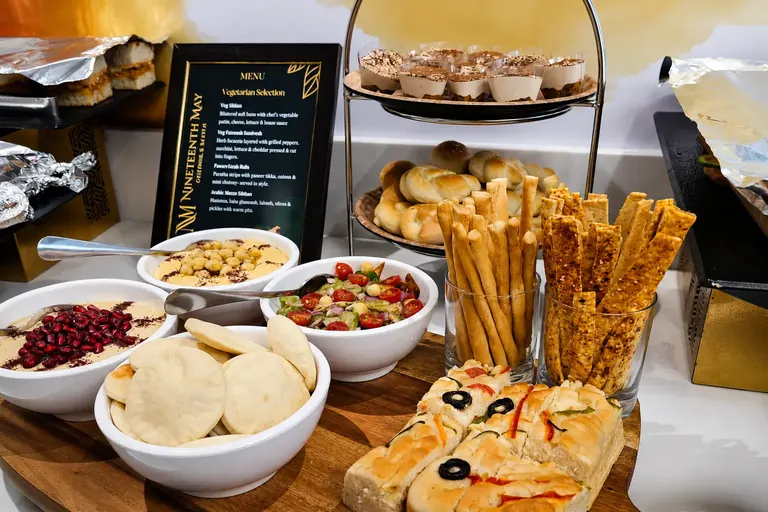
Share dietary needs and the lunch window
Our office meal programmes offer vegetarian and non-vegetarian options and customisable spice levels. Give us a count for each and tell us about any other dietary needs when you share the brief. Ask us to confirm the choices for your menu. It’s easier for your team to review one set of options than to make changes after the menu has been agreed.
The lunch window is as useful as the menu. For a single lunch break, tell us when most of the team will be ready. For staggered breaks, give us the order in which the groups will eat. We can use that information when we discuss packing, delivery or service at the office.
Use the per-plate guide for event budgets
If you’re also planning an annual day or a one-off lunch at an external venue, our Mohali catering price per plate guide explains the published starting prices for outdoor catering and the factors that affect a quote. It covers guest count, menu, service format, venue access and taxes. For a daily office programme, share your schedule and format with us so we can discuss pricing for that brief.
Before your HR or admin team signs off, ask us for a written proposal. Our corporate catering page sets out what we confirm, including the menu, quantities, delivery or setup responsibilities and commercial terms. If the invoice needs to go to a particular company entity, provide those billing details before confirmation.
When you compare proposals, check that they cover the same number of meals, the same days and the same service format. If one includes delivery or setup and another lists it separately, ask for the full breakdown before you compare the totals. Keep the written proposal alongside your team’s schedule.
Send a brief we can work with
Start with the office location, the estimated number of meals, the days you need service and the lunch window. Add your preferred format and the dietary counts you know. If this is a recurring programme, include the proposed start date. If it’s for one meeting or event, include the date and explain where guests will eat.
Our office meals enquiry section has separate options for daily lunches and corporate events. Choose the one that matches what you’re planning, then send the brief by WhatsApp or call us to talk it through. Once we’ve reviewed the details, you can share the proposal with the person who approves your team’s lunch budget.